

Blog
Pizza Oven Accessories Guide: Peels, Cutters, Tools & What You Actually Need

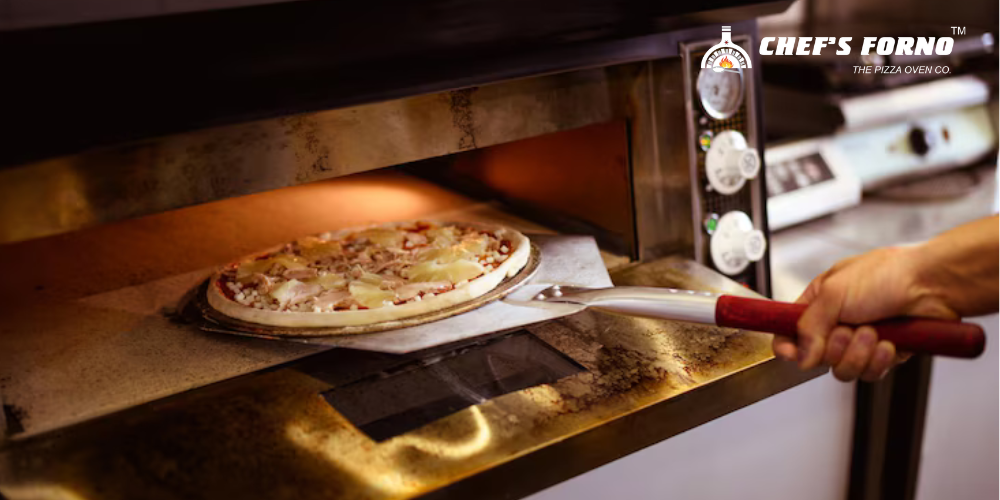
A pizza oven is only one part of a working pizza station. The tools around it matter too, especially when the kitchen gets busy and small delays start adding up.
You don’t necessarily need every pizza accessory available. But a few basic tools can make loading, turning, cutting and cleaning much easier. Here’s what is actually worth having in a commercial pizza kitchen.
Pizza Peels
The peel is probably the tool you’ll use most often at the pizza station.
Metal peels are commonly used for loading pizzas into the oven. Their thinner edge makes it easier to get underneath the dough and move it into the chamber. Wooden peels are often preferred for launching the pizza because the dough tends to release more easily during that initial slide.
For a commercial kitchen, having both is useful. Just make sure the size of the peel works with your oven chamber. A peel that’s too large can be awkward to handle, while one that’s too small can slow down the workflow.
Turning Tools
If you’re working with a high-temperature oven, particularly a wood-fired setup, a turning peel is an important tool to have.
Pizza may need to be rotated during baking so it cooks evenly across the chamber. This becomes especially useful when different areas of the cooking surface have slightly different heat levels.
A small turning peel gives the operator much better control without having to move the entire pizza out of the oven.
Cutting Tools
The right cutter depends partly on the type of pizza you’re serving and how quickly you need to get through orders.
A rocker-style cutter can be useful during busy service because it allows quick, consistent cuts, particularly with thicker crusts. For thinner pizzas, a sharp wheel cutter may give you a cleaner cut with less chance of dragging the toppings.
There’s no need to overcomplicate this one. Choose the tool that works best with the pizza your kitchen actually serves.
Cleaning and Maintenance Tools
Cleaning tools aren’t the most exciting part of setting up a pizza station, but you’ll appreciate having the right ones when the oven needs regular maintenance.
For wood-fired ovens, brushes and ash scoops make it much easier to keep the cooking area clean and ready for the next service.
If you’re using a wood-fired oven, our full maintenance checklist covers when different cleaning tasks and tools come into play during regular maintenance.
Temperature Tools
An infrared thermometer is another useful addition if consistency matters in your kitchen.
Instead of relying only on an oven dial or estimating the cooking surface temperature, staff can use the thermometer to check the actual surface temperature. This is particularly useful when you’re working with different pizza styles that require different temperature ranges.
Our temperature guide by style explains how temperature requirements can vary between pizza styles.
What a Well-Equipped Station Actually Needs
You don’t need a huge collection of tools to get a commercial pizza station working properly.
For most kitchens, the basics are:
- One metal loading peel
- One wooden launching peel
- A turning peel for high-heat ovens
- A cutter suited to your pizza style
- Cleaning tools appropriate for your oven
- An infrared thermometer if you want more precise temperature checks
Larger operations may need more than one set, especially when several pizza stations are running at the same time. For example, hotel and multi-outlet kitchens may need duplicate tools across different stations.
BRowse the full accessories range →
FAQs
1. Do I need both a metal and wooden peel, or just one?
Most commercial kitchens can benefit from having both. A metal peel is useful for loading, while a wooden peel is often better suited to launching the pizza.
2. How often should pizza oven accessories be replaced?
It depends on how frequently they’re used and what they’re made from. Check peels and cutting tools regularly, and replace them when wear starts affecting safe or reliable handling.
3. Is an infrared thermometer really necessary?
It’s not essential for every kitchen, but it can be useful if you want more accurate readings of the cooking surface. It’s especially helpful when your menu includes different pizza styles with different temperature requirements.