

Blog
Pizza Oven Temperature Guide: Neapolitan, New York & Sicilian Style Compared

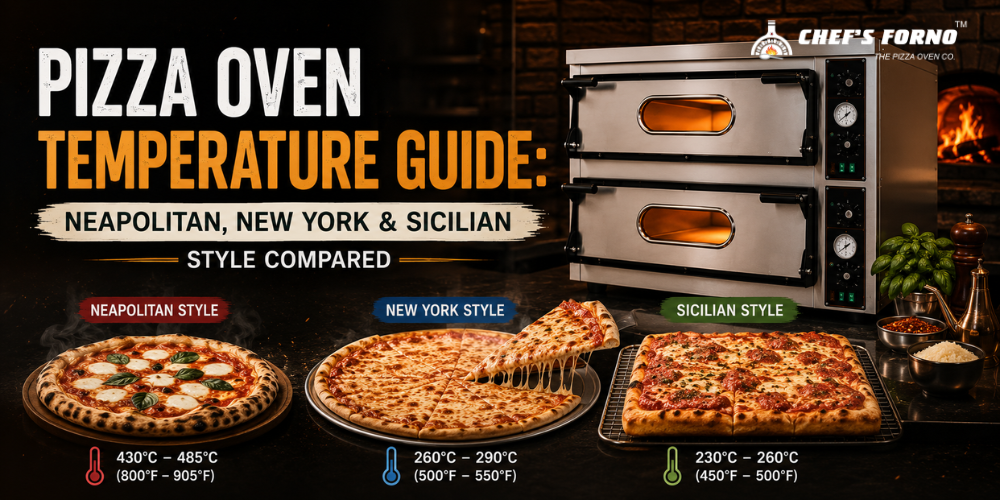
Every pizza begins with the same basic ingredients – flour, water, yeast, and salt. Yet a Neapolitan pizza looks and tastes completely different from a New York slice or a thick Sicilian square. The reason isn’t just the recipe. It’s the heat.
The pizza oven temperature determines how the dough rises, how the crust browns, how the cheese melts, and even how the toppings retain moisture. A difference of 100°C can completely change the final product.
If you’re opening a restaurant, launching a pizzeria, or upgrading your commercial kitchen, understanding the right baking temperature is just as important as choosing the right oven. This guide explains the ideal temperature range for three of the world’s most popular pizza styles and how the right commercial oven helps you achieve consistent results.
Why Temperature Is More Than Just a Number
Pizza dough reacts differently depending on the heat it receives.
At extremely high temperatures, the dough rises rapidly, creating airy pockets and a light crust. At lower temperatures, moisture evaporates more gradually, producing a firmer texture and a crisp base.
Choosing the correct pizza oven temperature ensures that every pizza style delivers the texture and flavour customers expect.
Rather than searching for the most powerful oven, restaurants should focus on matching the oven’s capabilities to the style they plan to serve.
Neapolitan Pizza: High Heat, Fast Baking
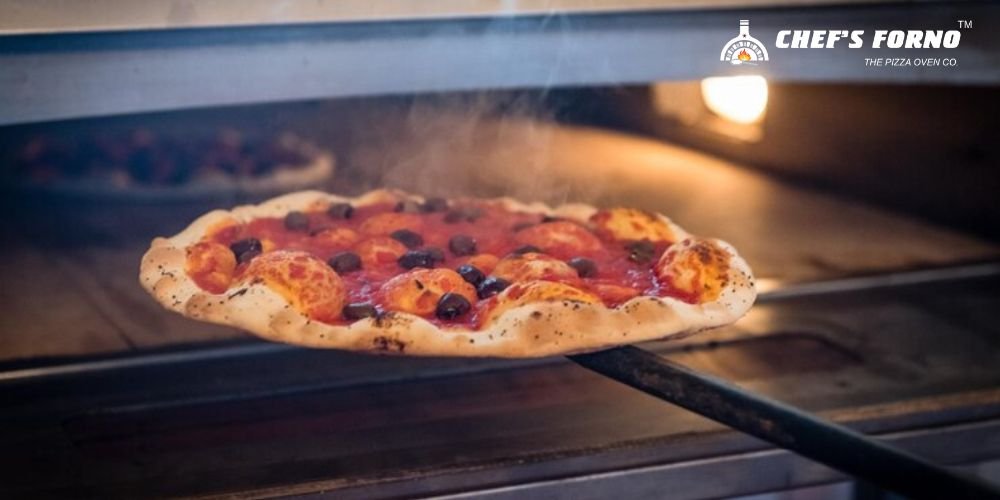
Authentic Neapolitan pizza is famous for its soft, airy crust with beautifully charred spots around the edge. Achieving this texture requires extremely high temperatures.
The ideal Neapolitan pizza oven temperature ranges between 450°C and 480°C.
At these temperatures, pizzas bake in approximately 60 to 90 seconds.
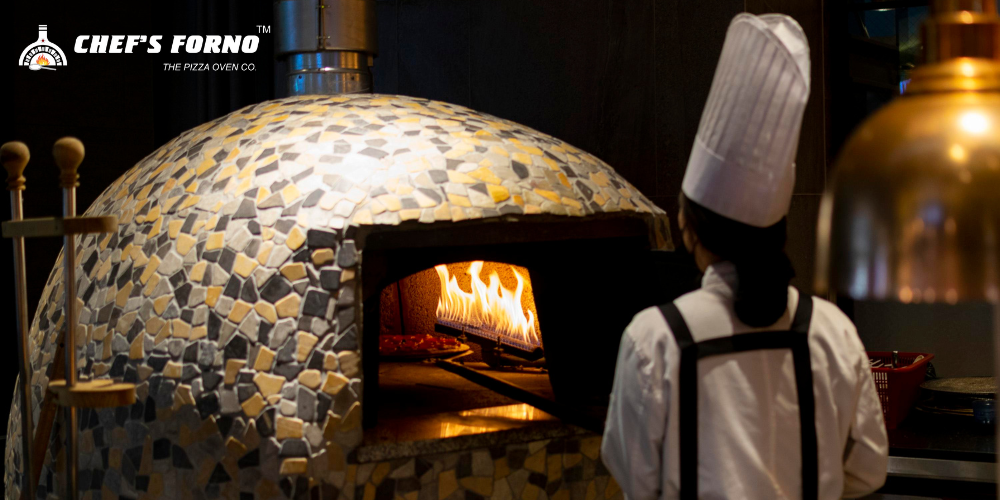
Because of the intense heat required, traditional wood-fired ovens remain the preferred choice for authentic Neapolitan pizza. Their stone floor stores and radiates heat efficiently while live flames create the characteristic leopard spotting on the crust.
For restaurants specialising in artisan pizza, a commercial Wood Fired Pizza Oven: Brick Series offers the high temperatures and heat retention needed to produce authentic Neapolitan-style pizzas throughout busy service hours.
New York Style Pizza: Balanced Heat for Consistency
New York pizza is very different.
The crust is thinner, crisp on the outside, yet flexible enough to fold. This style requires more controlled baking rather than extreme temperatures.
The typical New York style pizza oven temp ranges between 315°C and 370°C.
Cooking usually takes 4 to 6 minutes, allowing the crust to develop gradually while giving cheese and toppings enough time to cook evenly.
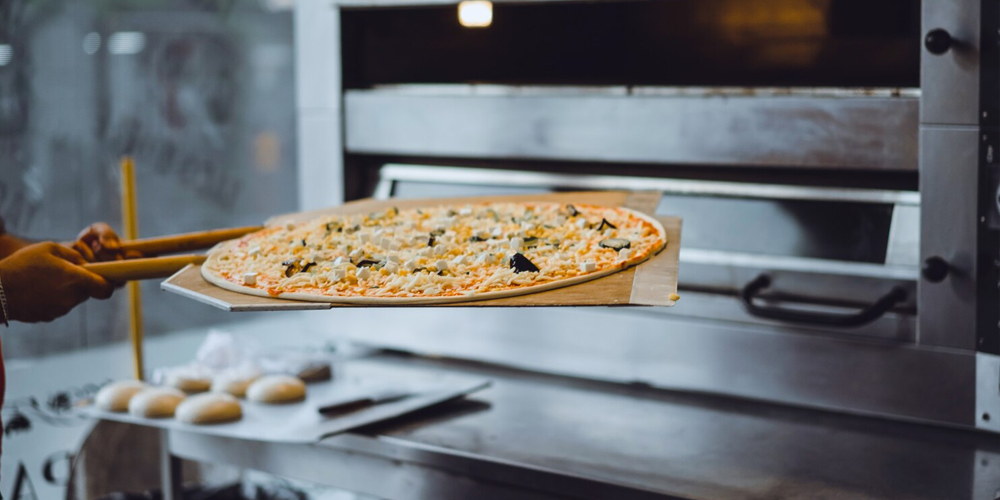
Commercial gas and electric deck ovens are particularly effective because they maintain stable temperatures throughout continuous production.
Restaurants looking for reliable temperature control often choose the Electric Pizza Ovens: Smart Series, which provides the precision required for New York-style pizzas while supporting high-volume commercial kitchens.
Sicilian Style Pizza: Slow Baking for a Thick, Crispy Base
Unlike Neapolitan and New York pizzas, Sicilian pizza is baked in a rectangular pan with a much thicker dough.
Instead of relying on intense heat, this style benefits from longer baking times and more even heat distribution.
The ideal best temperature for pizza oven when preparing Sicilian pizza is typically between 230°C and 290°C.
Depending on dough thickness, baking usually takes 10 to 15 minutes.
Lower temperatures allow the dough to cook completely without burning the top while creating the crispy bottom layer that defines authentic Sicilian pizza.
Restaurants planning to include pan-style pizzas on their menu should select ovens capable of maintaining stable temperatures over longer baking cycles.
Why Oven Type Matters More Than Maximum Temperature
Many restaurant owners assume that the hottest oven is automatically the best choice.
In reality, the ideal oven depends entirely on the menu.
A restaurant focused on Neapolitan pizza benefits from a commercial wood fired pizza oven temperature that reaches nearly 480°C.
A delivery-focused business serving New York slices may achieve better consistency using an electric or gas deck oven with accurate temperature control.
Likewise, cafés and bakeries offering Sicilian pizza require even heat distribution rather than maximum heat.
Matching the oven to your menu improves consistency, reduces waste, and creates a better customer experience.
Case Study: One Restaurant, Two Styles, Two Different Solutions
A premium restaurant group in Mumbai wanted to expand its pizza menu by introducing both artisan Neapolitan pizzas and New York-style slices.
Initially, the management planned to purchase a single commercial oven for every outlet.
After consulting with the Chef’s Forno team, they realised each pizza style required different baking conditions.
The flagship restaurant installed a Wood Fired Pizza Oven: Brick Series to produce authentic Neapolitan pizzas with high heat and traditional flavour.
Meanwhile, the group’s delivery kitchen adopted the Electric Pizza Ovens: Smart Series, allowing chefs to produce New York-style pizzas with excellent consistency during busy service hours.
The result was improved product quality, faster kitchen operations, and higher customer satisfaction across both restaurant formats.
This approach demonstrates that choosing the right oven for your pizza style often delivers better results than simply buying the highest-capacity model.
Quick Temperature Reference
| Pizza Style | Temperature Range | Typical Cook Time | Recommended Oven |
|---|---|---|---|
| Neapolitan | 450–480°C | 60–90 seconds | Wood-fired Brick Series |
| New York Style | 315–370°C | 4–6 minutes | Electric Smart Series or Gas Deck Oven |
| Sicilian | 230–290°C | 10–15 minutes | Electric or Gas Deck Oven |
Choosing the Right Commercial Oven
Before investing in a commercial pizza oven, ask one simple question:
What type of pizza do you want your restaurant to become known for?
Once that answer is clear, selecting the right equipment becomes much easier.
Rather than focusing only on maximum temperature or price, evaluate:
- Your primary pizza style
- Daily production volume
- Kitchen workflow
- Fuel availability
- Future business growth
Restaurants that align their oven with their menu typically achieve better consistency and stronger customer loyalty.
Frequently Asked Questions
1. What is the ideal pizza oven temperature?
The ideal pizza oven temperature depends on the pizza style. Neapolitan pizzas require around 450–480°C, New York pizzas bake best between 315–370°C, while Sicilian pizzas generally cook at 230–290°C.
2. Can one commercial oven bake every pizza style?
Yes, some commercial ovens are versatile. However, restaurants that specialise in a particular style often achieve better results by choosing an oven designed for that baking range.
3. Why does Neapolitan pizza require such high temperatures?
High heat allows the dough to rise rapidly while creating the signature airy crust and lightly charred edges within 60 to 90 seconds.
4. Are electric ovens suitable for New York-style pizza?
Yes. Commercial electric deck ovens provide precise temperature control, making them an excellent choice for New York-style pizzas that require longer baking times.
5. Which oven should a new restaurant choose?
The best oven depends on the style of pizza you plan to serve most often. Matching the oven to your menu is more important than simply choosing the hottest or largest model.
Final Thoughts
Temperature is not simply another setting on a commercial oven. It defines the crust, texture, flavour, and overall customer experience.
Whether you’re crafting authentic Neapolitan pizzas, classic New York slices, or thick Sicilian squares, understanding the correct pizza oven temperature helps you deliver consistent quality every time.
Chef’s Forno offers commercial pizza ovens designed for different baking styles, helping restaurants choose equipment that matches their menu instead of compromising on performance. Investing in the right oven today ensures your pizzas and your business continue to grow.








2 thoughts on “Pizza Oven Temperature Guide: Neapolitan, New York & Sicilian Style Compared”